

Safety on Mount Kilimanjaro
Climbing Mount Kilimanjaro is an extraordinary achievement but it is not without risk. Each year, approximately 1,000 climbers are evacuated from the mountain and around 10 deaths are officially reported. The real number may be higher.
The primary cause of serious illness and death on Kilimanjaro is altitude sickness.
High altitude affects everyone differently. It does not matter how fit you are, how young you are, or how many mountains you have climbed before altitude sickness can strike anyone at any time. That is why choosing a professional, safety-focused operator like GoClimbKili is one of the most important decisions you will make.
Understanding Altitude Sickness
As you ascend above 10,000 feet (3,000 meters), oxygen levels decrease significantly. Your body must gradually adapt to this change. If it cannot adjust properly, altitude sickness can develop.
Symptoms may include:
- Headache
- Nausea or vomiting
- Dizziness
- Fatigue
- Shortness of breath
If untreated, altitude sickness can progress to serious and potentially fatal conditions such as:
- HACE (High Altitude Cerebral Edema) – swelling of the brain
- HAPE (High Altitude Pulmonary Edema) – fluid in the lungs
These conditions require immediate descent and emergency care.
GoClimbKili Safety Precautions
At GoClimbKili, we implement strict safety protocols on every climb to protect our clients.
1. Highly Experienced Guides
Our guides are extensively trained in the prevention, detection, and treatment of altitude sickness. They lead hundreds of climbers annually and understand how to recognize early warning signs before they become life-threatening
2. Twice-Daily Health Checks
We conduct health checks twice per day using a pulse oximeter to measure:
- Pulse rate
- Oxygen saturation levels
This allows us to track your acclimatization progress and detect problems early.
3. Lake Louise Scoring System (LLSS)
We use the internationally recognized Lake Louise Scoring System (LLSS) to assess altitude sickness symptoms and determine severity. This structured evaluation helps guides make informed medical decisions.
4. Wilderness First Responder (WFR) Certified Guides
Our guides are certified Wilderness First Responders (WFR), trained to manage medical emergencies in remote environments and make critical evacuation decisions on the mountain.
5. Bottled Oxygen on Every Climb
We carry supplemental bottled oxygen on all expeditions. Oxygen can stabilize climbers experiencing moderate to severe altitude sickness and can be life-saving while preparing for descent.
6. Emergency Evacuation Systems
- Portable stretchers are available on select routes.
- Park evacuation stretchers are accessible where applicable
- We coordinate helicopter evacuations through Kilimanjaro MedAir when necessary.
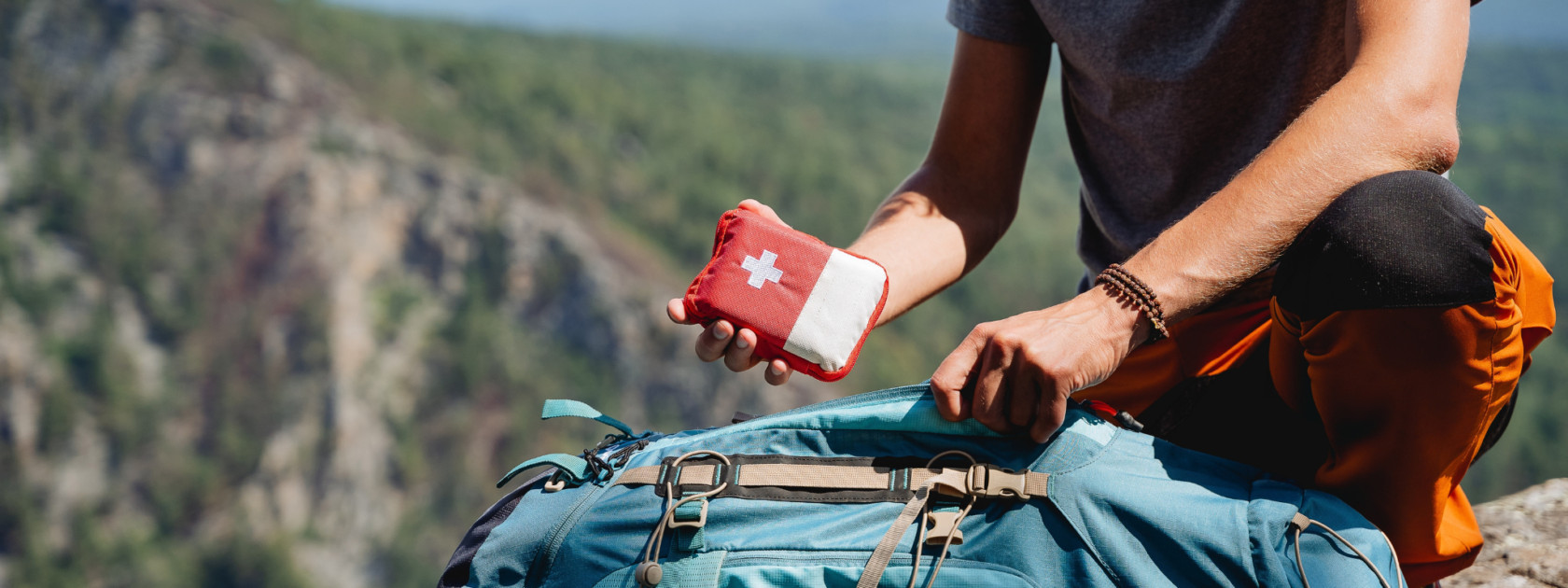
7. Fully Equipped First Aid Kits
Our teams carry comprehensive first aid kits to treat minor injuries such as cuts, blisters, and scrapes.
A Real Reminder: Altitude Does Not Discriminate
Medical professionals have documented alarming cases of untreated altitude illness on Kilimanjaro. An excerpt from the Journal of Travel Medicine described observing a high number of untreated High-Altitude Cerebral Edema (HACE) cases during a university expedition.
Even experienced climbers are not immune.
In one documented incident, a climber suffering from High Altitude Pulmonary Edema (HAPE) required emergency oxygen and descent. A ranger station reportedly had only one nearly empty oxygen bottle available. Immediate action and proper equipment made the difference between life and death.
This is why preparation matters.
Are All Kilimanjaro Operators Safe?
Unfortunately, no.
While many companies have experienced guides, not all operators have:
- Regular health monitoring protocols
- Supplemental oxygen
- Formal altitude scoring systems
- Certified medical training
- Reliable evacuation coordination
By the time you realize an operator lacks these systems, it may be too late.
Climb Smart. Choose Wisely.
We do not present these facts to scare you we present them to educate you.
Climbing Mount Kilimanjaro is an adventure of a lifetime. The risks can never be completely eliminated, but they can absolutely be minimized with a competent, professional operator.
At GoClimbKili, your health and well-being come first always.
When you stand on the summit of Kilimanjaro, we want it to be because you climbed safely, responsibly, and with a team fully prepared for every situation.
0 Comment