
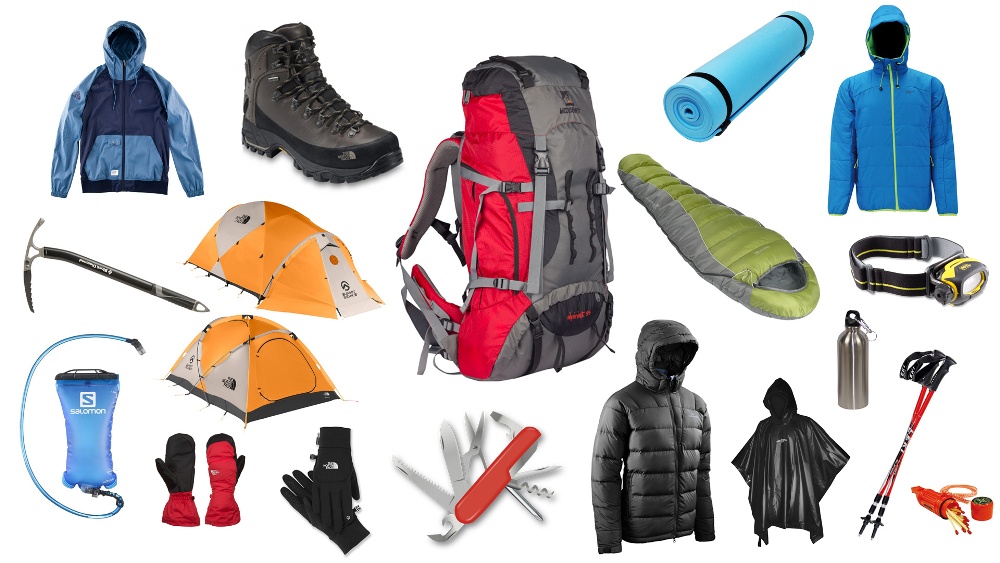

Packing for Kilimanjaro.
Packing correctly makes a big difference in your comfort.
Kilimanjaro has different climate zones. At the base, it can feel warm and humid. At the summit, temperatures can drop well below freezing.
This is why layering is important. You wear several thin layers instead of one thick layer. This allows you to add or remove clothing as temperatures change.
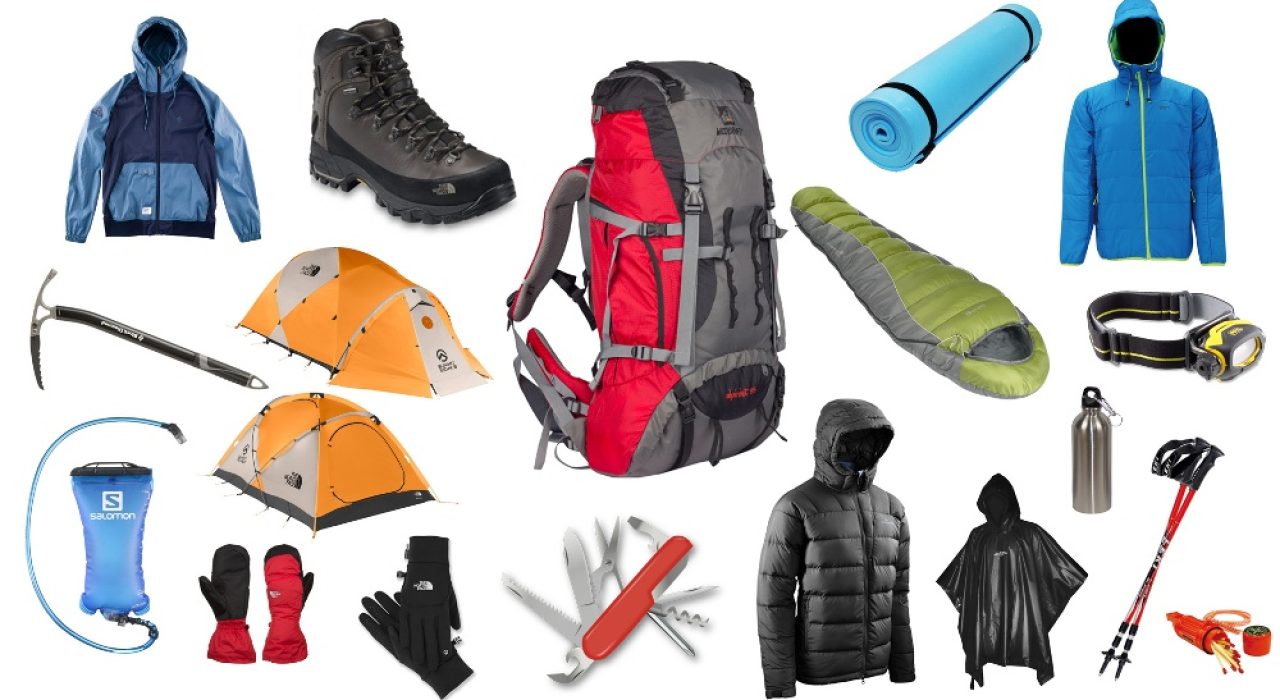
You will need a waterproof jacket for rain and wind, a warm insulated jacket for cold evenings, thermal base layers for warmth, and strong hiking boots that you have already worn before. Summit night is especially cold, so warm gloves and a hat are essential.
You also need a headlamp for climbing in the dark during summit night. Sunglasses and sunscreen are important because the sun is very strong at high altitude.
porters carry your large bag. You carry only a small backpack with water, snacks, and extra clothing for the day.
Training and fitness guide
You do not need to be an extreme athlete, but you do need to prepare.
Kilimanjaro is a long-distance trek. On most days, you walk between four and seven hours. Summit day can be much longer.
Training should focus on endurance. Hiking is the best preparation. If you do not have mountains nearby, walking on hills, climbing stairs, or using a treadmill with incline can help.
It is also helpful to strengthen your legs and core muscles. Strong muscles reduce fatigue and help prevent injury.
Mental preparation is just as important. Some days may feel slow or challenging. Staying positive and patient is key.
Flights to Tanzania
Most climbers fly into Kilimanjaro International Airport. This airport is located between the towns of Moshi and Arusha.
After landing, you will be transferred to your hotel. At GoClimbKili, we arrange airport pickup so your arrival is smooth and stress-free.
It is best to arrive at least one day before your climb begins. This allows time to rest and check your equipment.
Visa & Entry Requirements
Most travelers need a tourist visa to enter Tanzania. Your passport should be valid for at least six months from your arrival date.
Many nationalities can obtain a visa online or on arrival at the airport. Requirements may change, so it is important to check official government information before traveling.
Some travelers may need a yellow fever vaccination certificate, depending on where they are traveling from.
Altitude Sickness & Acclimatization
Altitude sickness happens because your body is adjusting to lower oxygen levels.
When you go higher, the air becomes thinner. Your body needs time to produce more red blood cells and adapt to the new conditions.
Common symptoms include headache, nausea, dizziness, and trouble sleeping. These symptoms are usually mild and improve with rest.
The best way to prevent altitude sickness is to climb slowly and choose a longer route. Drinking enough water also helps.
Guides monitor climbers every day to make sure everyone is safe.
0 Comment