

As you begin planning your trip to Tanzania, you may have health-related questions about how to protect yourself against specific diseases common in Africa. This article covers issues crucial for Tanzania: what vaccinations are mandatory and what other immunizations are recommended.
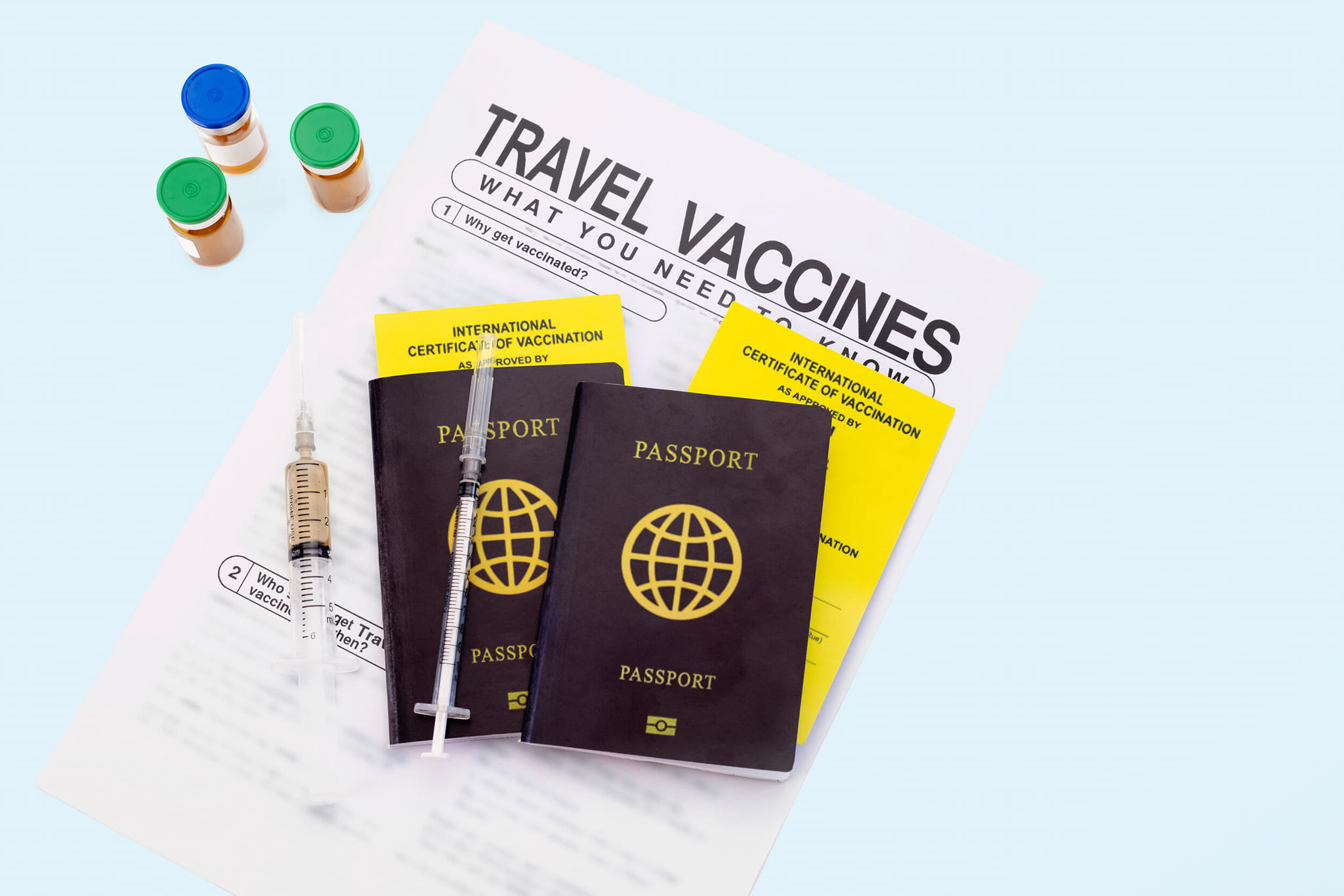
Mandatory Immunizations for Entering Tanzania and Zanzibar
Contrary to what many travelers think, no special vaccinations are required for those entering Tanzania from the USA, the UK, European Union, or most countries around the globe.
A note about yellow fever
The only exception to this is if you are from or have visited a country that is at-risk for Yellow Fever. In such a case, a vaccination for Yellow Fever is required upon entry to Tanzania. If you do not have one, you may purchase it ‘on the spot’ as you pass through immigration.
However, please note that this vaccine has been taken very seriously for many years, and continues to be the most requested vaccine upon entry to Tanzania.
If you have not traveled to a country with a risk of Yellow Fever, then you do not need to provide proof of this vaccine.
Malaria Precautions
If you’re planning a long stay in locations throughout Tanzania that are known for possibly contracting malaria then it’s a good idea to take precautions against this mosquito-borne disease.
Usually, such measures are recommended for those planning long-term travel throughout Africa, not only in one country, or for those planning to live and work in Tanzania. Some travelers going on a safari, mountain climbing or enjoying a beach holiday in Tanzania consider taking malaria prevention medications, too. This is a good idea to ensure that an unfortunate mosquito bite doesn’t end up ruining your vacation.
Recommended Vaccinations
While there are no required vaccinations in Tanzania (except in the possible case of Yellow Fever), there are several recommended vaccines.
Below is the valuable information to be considered by those considering travel to Tanzania. Many of these are standard precautions for travel to developing nations and if you are an avid traveler, you might very well have all of these vaccinations already.
Standard Immunizations
The standard list of diseases against which tourists are recommended to get vaccinated against includes: tetanus, diphtheria, and Hepatitis A and B.
Tetanus is believed to be more common in countries near the equator. According to the World Health Organization statistics, Tanzania is among the countries with the lowest incidence of tetanus, being categorized as “rare, very few cases” by their rating scale. The combined DPT vaccine against pertussis, diphtheria, and tetanus is often used for prevention. It is recommended that adults get revaccination against the latter two diseases every ten years, so check if you’re up-to-date before traveling to Tanzania.
Hepatitis A virus most often enters the human body from eating or drinking contaminated water, while Hepatitis B might be contracted due to poor hygiene standards, or using contaminated personal tools (which might happen if you go to a nail salon or spa with poor sanitation). We strongly recommend drinking only bottled water during your trip to Tanzania. Hepatitis B virus enters with the biological fluids of the infected person. In most countries with a well-developed health care system, you can get a vaccination against both hepatitis types.
The above diseases pose danger to tourists in Tanzania to the same extent as in their home country. Theoretically, it is equally possible to injure oneself and get the wound infected during a regular walk in the park near your house as well as on an expedition in Tanzania. What poses increased risk is dirty water, which is why GoClimbKili provides all of their clients with bottled drinking water for the duration of their trip.
Additional Advice
When it comes to extended recommendations, there are a few additional standard vaccines that are part of the national immunization calendars. For example, the U.S. Centers for Disease Control and Prevention (CDC) recommends that travelers to Tanzania make sure they are vaccinated against diseases such as chickenpox, pertussis-diphtheria-tetanus, influenza, measles-mumps-rubella, polio, and shingles before they travel. Most of these vaccinations are given when you are a child.
You can also protect yourself against typhoid, which can be contracted through poor hygiene associated with water, food, or contaminated surfaces. The CDC recommends this vaccination for those who plan to travel alone, live in rural areas, and eat outside hotels in places with poor sanitation.
For travelers interested in volunteering with animals, such as with a dog rescue program, it is advised to get vaccinated against rabies beforehand.
Travelers wishing to enjoy a safari with GoClimbKili are not at risk of contact with animals, other than getting some fantastic photos!
Malaria
Proven effective vaccines against malaria do not yet exist. There are only medicines that can act as prevention measures to reduce one’s risk of contracting malaria. In some cases, these medications should be taken before and during your travel to Tanzania.
Discuss anti-malaria options with your doctor before traveling, as there are different side effects with these mediations.
Malaria is caused by a parasite that is carried by a female mosquito. The disease is more common in tropical regions, where the malaria-carrying mosquitoes inhabit mainly lowland, swampy and wooded areas.
The optimal conditions for the successful reproduction of dangerous malaria mosquitoes are standing water, windless areas, and a constant temperature above 20 °C. Thus, locations far from lakes or ponds, or places (such as beach-front areas) that have a constant breeze and less-likely to have such mosquitoes.
Malaria risks are minimal for tourists coming to Tanzania for high-altitude climbing and safaris. The highest probability of contact with infected mosquitoes is theoretically possible in hotels close to swamps, but there are no such hotels in GoClimbKili safari programs. Nevertheless, all the hotels used to accommodate our guests are equipped with mosquito nets.
Besides anti-malarial drugs, travelers can take simple precautions to reduce their risk: use of nets and canopies at night, wear long pants and long-sleeved shirts in the evening and morning hours, and spray mosquito repellant.
Summary
There are no mandatory vaccinations to enter Tanzania for travelers from the European Union or the United States, as well as many other countries.
Each traveler can choose what vaccinations they consider relevant based on the recommendations of their Ministry of Health, personal consultations with trusted physicians, and their own opinions about their health.
0 Comment