
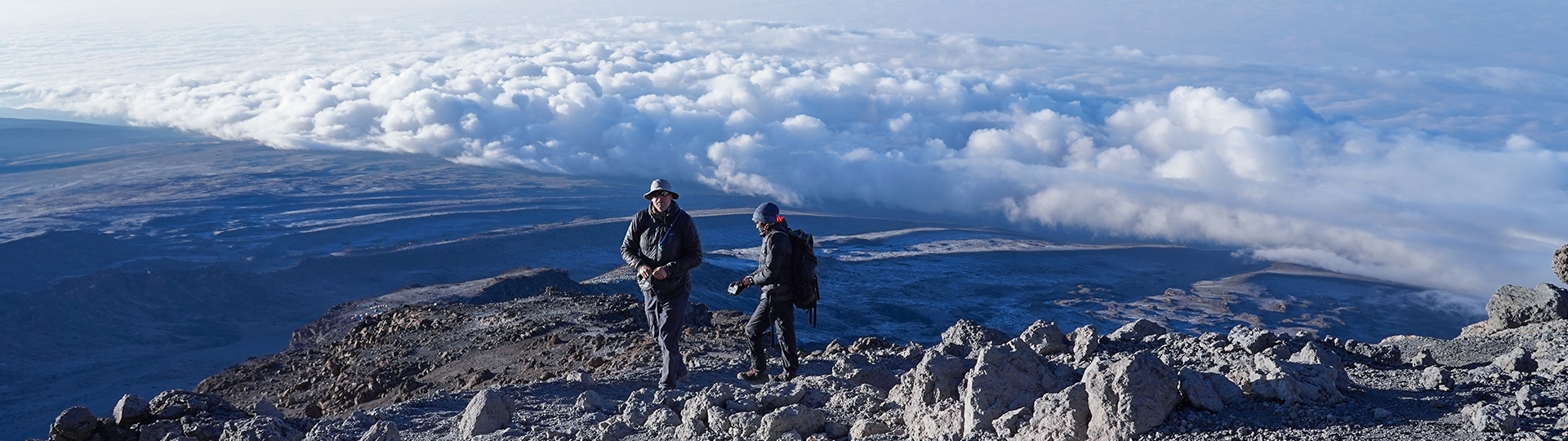

Time to climb Kilimanjaro.
Mount Kilimanjaro can be climbed at any time of the year. However, the experience can feel very different depending on the season.
Kilimanjaro has two dry seasons and two rainy seasons. The dry seasons are from January to mid-March and from June to October. These months are usually the best time to climb because the weather is more stable. The skies are clearer, which means you have better views of the mountain and surrounding landscapes. The trails are also drier and safer to walk on.
June to October is the most popular period. During this time, many climbers from around the world come to Tanzania. The weather is cooler, especially at night, but conditions are generally very good.
The rainy seasons happen from April to May and again in November. During these months, the trails can become muddy and slippery. Clouds often cover the summit, so views may be limited. Some experienced hikers enjoy climbing during the rainy season because the mountain is quieter, but for most first-time climbers, the dry season is more comfortable.
At GoClimbKili, we help you choose the best time based on your schedule, weather preference, and comfort level.
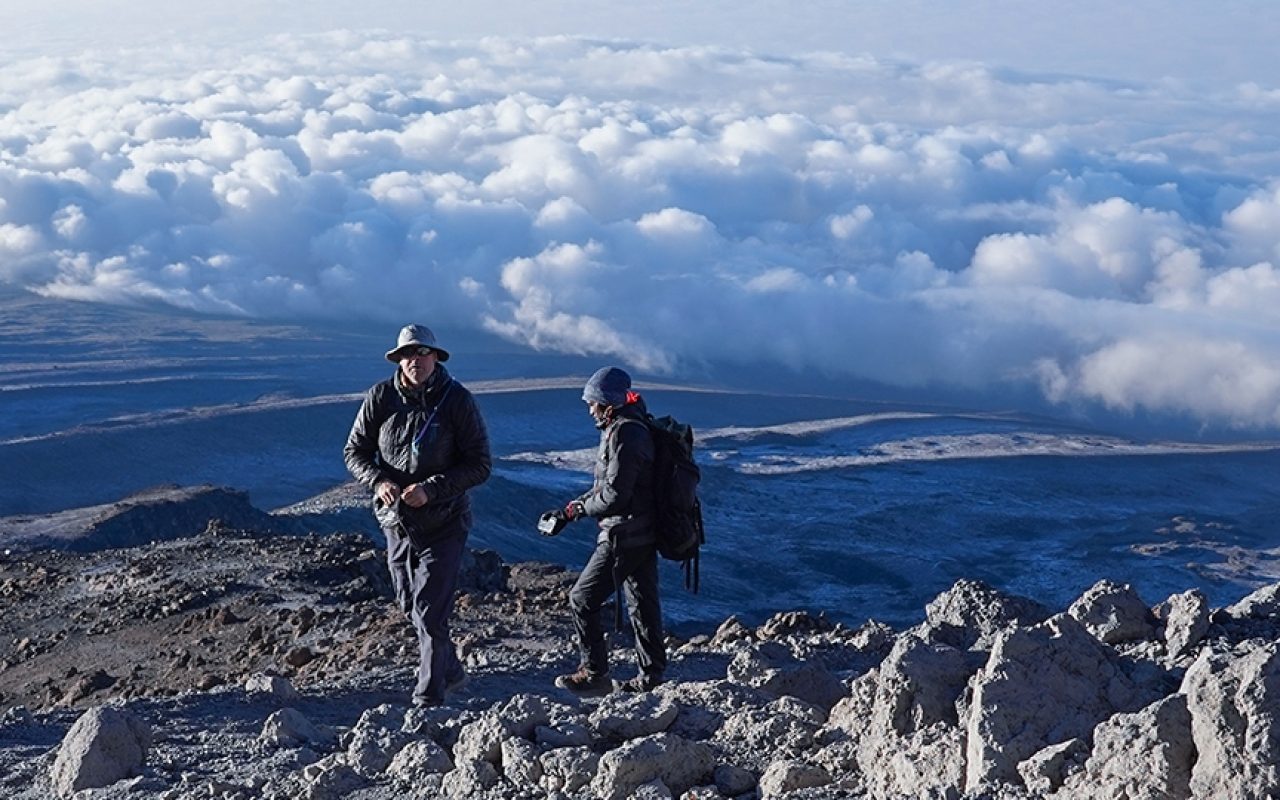
Kilimanjaro Routes Explained
There is not just one way to climb Kilimanjaro. There are several different routes, and each one offers a different experience.
The biggest difference between routes is how many days they take and how well they allow your body to adjust to the altitude. As you climb higher, the air becomes thinner and contains less oxygen. If you climb too quickly, your body may struggle.
Some routes are shorter and more direct. Others are longer and more gradual. Longer routes usually give you a higher chance of reaching the summit because your body has more time to adapt.
For example, the Machame Route is very popular because it is scenic and offers good acclimatization. The Lemosho Route is longer and quieter at the beginning, making it a great choice for those who want more time to adjust. The Marangu Route is the only route with hut accommodation instead of tents, but it is shorter, which can reduce summit success. The Northern Circuit is the longest route and has one of the highest success rates because of the extra acclimatization days.
Choosing a route is not only about scenery. It is about safety, comfort, and increasing your chances of success. At GoClimbKili, we recommend routes that allow enough time for proper acclimatization.
How Many Days Do I Need?
Many people ask this question first. The number of days you spend on the mountain is one of the most important decisions you will make.
Technically, Kilimanjaro can be climbed in as little as five days. However, this is not ideal. The shorter the climb, the less time your body has to adjust to the altitude.
Most successful climbers spend seven to eight days on the mountain. This gives your body time to slowly adapt to thinner air. It also allows you to enjoy the experience instead of rushing.
A typical trip includes:
One arrival day in Tanzania
Seven to eight days climbing
One rest day after the climb
In total, you should plan for around nine to ten days.
More days may feel like a bigger time commitment, but they greatly increase your chances of standing on the summit.
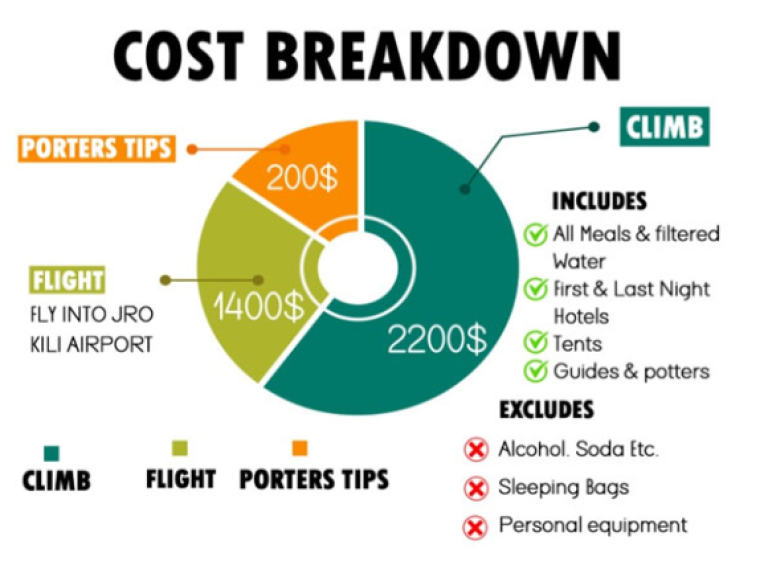
Kilimanjaro costs & Package
The cost of climbing Kilimanjaro can vary depending on several factors. These include the route you choose, the number of days, group size, and level of service.
A full climbing package usually includes park fees, guide services, porters, food, tents, camping equipment, and airport transfers. Park fees alone make up a large part of the total price because Kilimanjaro is inside a protected national park.
If you see very low prices, it is important to ask what is included. Extremely cheap climbs may mean lower safety standards, poor equipment, or unfair treatment of porters.
At GoClimbKili, our packages include professional guides, safety equipment, quality meals, and fair wages for our mountain crew. We believe that a safe and ethical climb is worth the investment.
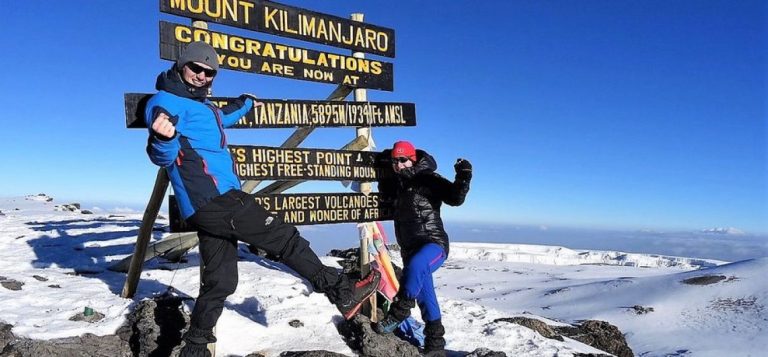
Is climbing Kilimanjaro safe?.
Kilimanjaro is considered a trekking mountain. This means you do not need ropes or technical climbing skills. However, it is still a high-altitude mountain, and that comes with challenges.
The main risk is altitude sickness. As you go higher, the air pressure drops, and there is less oxygen available. This can affect anyone, no matter how fit they are.
The key to safety is going slowly. On the mountain, you will often hear the words “pole pole,” which means “slowly, slowly.” Walking slowly helps your body adjust.
Professional guides monitor your health daily. They check your oxygen levels and ask about symptoms. If someone shows signs of serious altitude sickness, the safest decision is to descend.
With proper preparation, a good itinerary, and experienced guides, climbing Kilimanjaro is safe for most healthy individuals.
0 Comment