
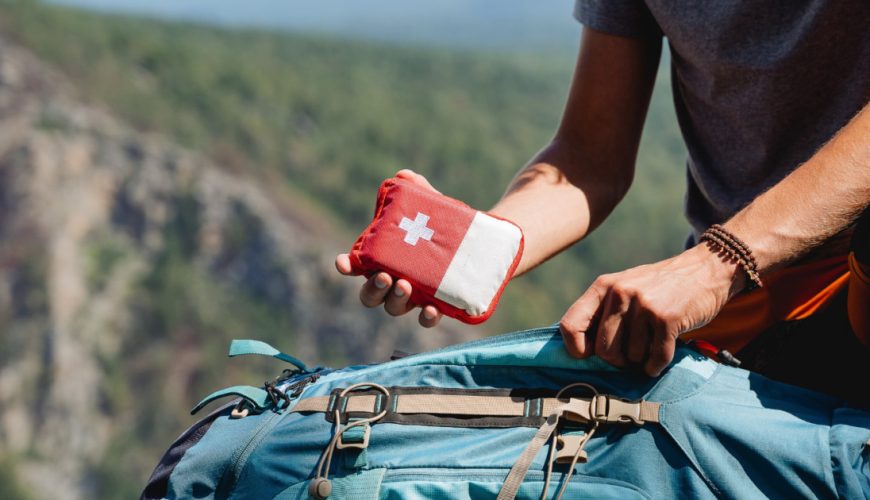
Safety precaution
Climbing Mount Kilimanjaro is an unforgettable adventure, but high altitude presents real risks that demand serious preparation. At GoClimbKili, we combine expert guides, daily health monitoring, oxygen support, and emergency evacuation readiness to ensure every climber ascends safely and confidently
-
BY steve
- February 26, 2026 7:30 am
- no comment
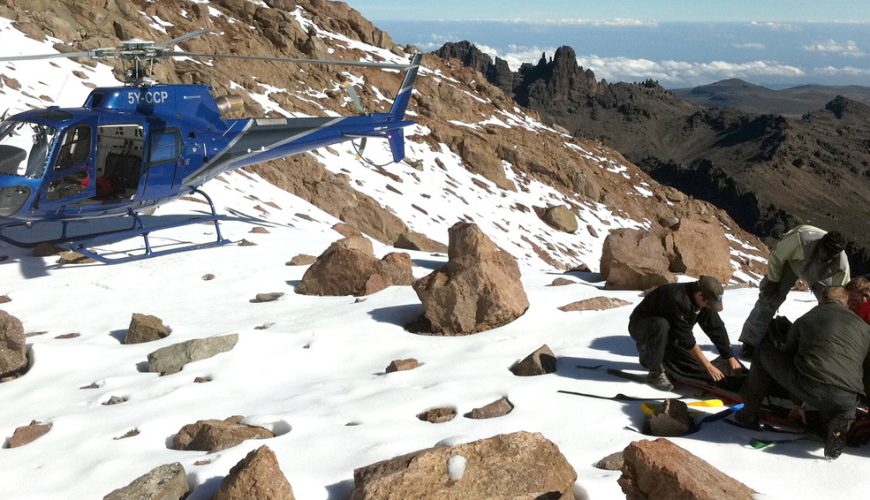
Kilimanjaro Rescue
Upon arrival, our medical team assesses the patient’s condition. If necessary, oxygen is administered and the climber is carefully secured on the stretcher or seat.
-
- February 23, 2026 2:10 pm
- no comment
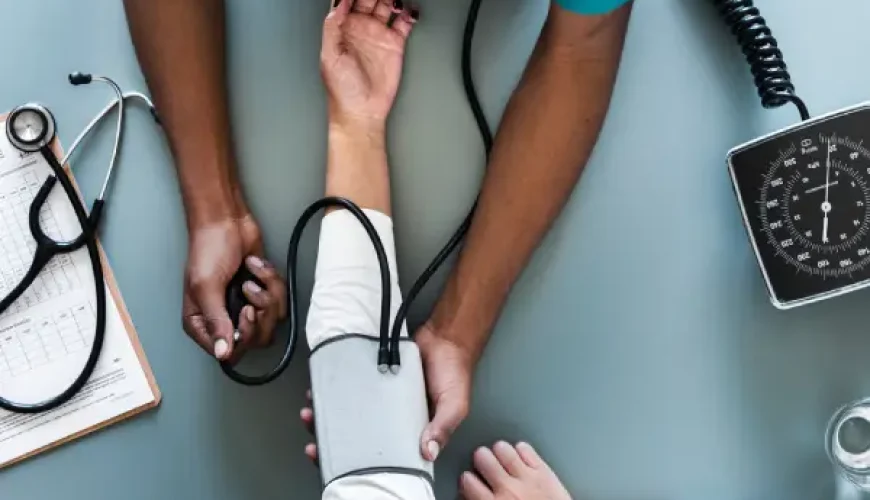
Diamox – Altitude Medication
Above 10,000 ft on Kilimanjaro, thinner air and low oxygen can cause headaches, nausea, and fatigue. These early symptoms are known as Acute Mountain Sickness (AMS).
-
- February 23, 2026 1:48 pm
- no comment
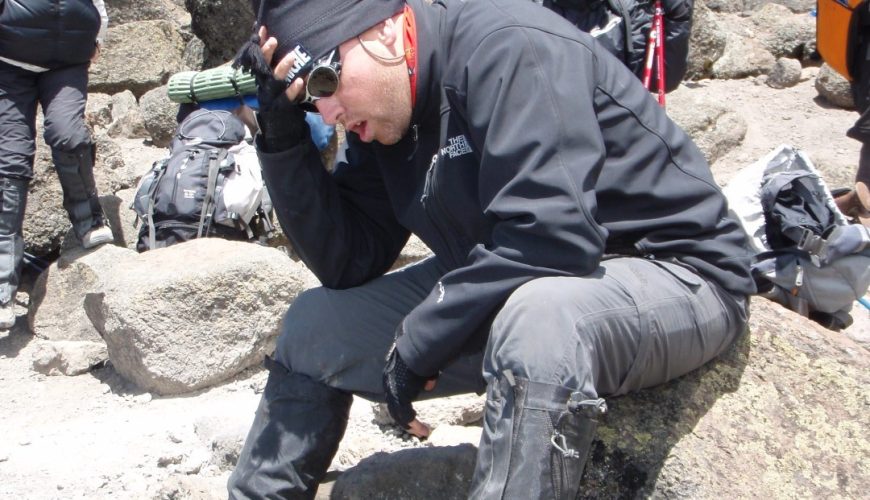
Acute Mountain Sickness
Above 10,000 ft, Kilimanjaro’s thin air lowers oxygen levels. Without proper acclimatization, headaches, nausea, and fatigue can signal Acute Mountain Sickness (AMS).
-
- February 23, 2026 1:17 pm
- no comment
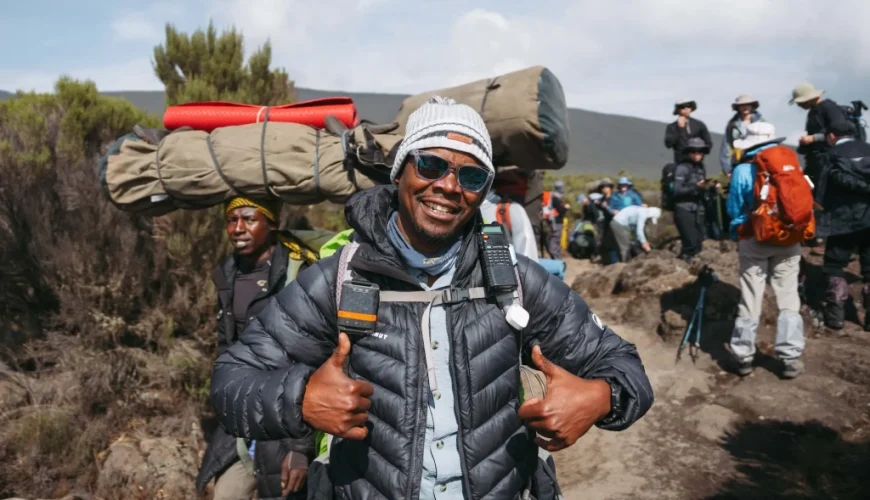
Is climbing Kilimanjaro safe?
Climbing Kilimanjaro is an incredible adventure, but it comes with real risks.
High altitude can affect anyone, regardless of fitness or experience.
Proper preparation, slow pacing, and knowledgeable guides are key to safety.
With the right precautions, you can reach the summit while minimizing danger.
-
- February 23, 2026 11:58 am
- no comment