

Is Climbing Kilimanjaro Safe?
You can climb Kilimanjaro safely if you prepare well, choose an experienced guide, and take altitude seriously. Most trekkers reach the summit without major problems, but the real risk comes from altitude sickness—not the trail itself.
This article will show how to reduce danger with the right route, pace, gear, and medical checks. You’ll learn what to expect from guides and rescue options, how fitness and age matter, and which choices make the climb much safer and more enjoyable.
Overall Safety of Climbing Kilimanjaro
Climbing Kilimanjaro is doable for most healthy people who plan well, hire licensed guides, and follow altitude rules. You should expect cold, thin air, and a steady pace that favors acclimatization over speed.
Current Safety Statistics
Death rates on Kilimanjaro are low compared with technical peaks. Recent reports show roughly 1–2 deaths per 100,000 climber-days, largely from acute altitude illness and rare medical events. Most incidents happen above 4,000–5,000 meters where oxygen levels fall and symptoms escalate.
Injury rates are mostly minor: blisters, sprains, and dehydration account for the bulk of evacuations. Serious evacuations usually involve suspected high-altitude pulmonary or cerebral edema (HAPE/HACE). Licensed operators record summit success rates and medical events; ask for their recent stats before you book.
Local rescue systems work but can be slow in bad weather. Helicopter evacuations are possible but costly and weather-dependent. Carry a reliable emergency plan and travel insurance that covers helicopter rescue.
Risks Versus Rewards
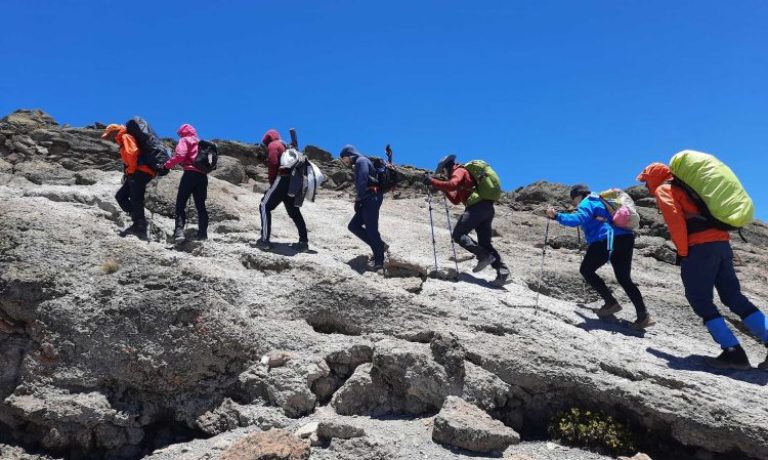
Your main risk is altitude sickness, not technical climbing. Kilimanjaro requires no rope or ice-climbing skills on standard routes, but the altitude can harm anyone, regardless of fitness. Slow ascent, extra nights for acclimatization, and awareness of symptoms cut risk substantially.
Rewards include reaching Africa’s highest point and experiencing varied ecosystems from rainforest to alpine desert. If you follow altitude protocols, use experienced guides, and keep a moderate daily climb schedule, your chance of a safe, successful summit increases.
Bring proper clothing and gear to manage cold and sudden storms. Hydration, steady pacing, and honest self-monitoring are simple actions that protect you and others on the route.
Safety Compared to Other Mountains
Kilimanjaro is less technical than peaks like Aconcagua, Denali, or Mont Blanc. You won’t need advanced mountaineering skills or crampon-and-rope techniques on the common routes. That lowers some risks, but altitude exposure is similar to other high non-technical peaks.
Compared with trekking at similar elevations, Kilimanjaro’s rapid ascent profile can raise altitude risk. Routes that add extra acclimatization days (e.g., Lemosho, Rongai) show higher summit rates and fewer evacuations than short routes like Marangu or Umbwe.
If you compare by fatality numbers alone, Kilimanjaro is safer than many technical 6,000–8,000 m climbs. Still, treat it like a serious high-altitude trek: prepare physically, choose a reputable operator, and follow medical guidance.
Understanding Altitude Sickness
Altitude sickness happens when your body can’t get enough oxygen fast enough as you climb. You will learn which symptoms to watch for, how serious they can become, ways to reduce risk while you climb, and what treatments guides can use on the mountain.
Common Symptoms on Kilimanjaro
Most hikers start feeling symptoms above about 2,400–3,000 meters (8,000–10,000 ft). Expect headache, nausea, dizziness, fatigue, and poor sleep. These signs often appear within a few hours of gaining altitude.
Watch for weaker breathing, loss of appetite, and swelling in hands or face. Symptoms can come and go, so note any pattern tied to higher camps. Keep a daily log of how you feel and how well you sleep.
Tell your guide immediately if a headache does not ease with rest and acetaminophen, or if nausea and vomiting persist. Early reporting lets the team slow the climb or descend before problems get worse.
Severity Levels and Emergency Cases
Acute Mountain Sickness (AMS) is the mild form. You may feel tired, have a headache, and be off your food. AMS often improves with rest, drinking fluids, and slowing ascent.
High Altitude Cerebral Edema (HACE) and High Altitude Pulmonary Edema (HAPE) are emergencies. HACE signs: confusion, loss of coordination, trouble speaking, or hallucinations. HAPE signs: shortness of breath at rest, a wet cough, blue lips, and fast pulse.
If you see confusion, stumbling, severe breathlessness, or coughing blood-tinged sputum, descend immediately. These conditions can be fatal within hours without rapid descent and evacuation.
Prevention and Acclimatization Strategies
Plan extra days for acclimatization on routes like Machame or Lemosho. Follow the principle “climb high, sleep low” when possible. Gain no more than 300–500 meters of sleeping altitude per night above 3,000 meters.
Stay well hydrated and eat regular, carbohydrate-rich meals. Avoid alcohol and sedatives, which can mask symptoms and depress breathing. Use a pulse oximeter if available to track oxygen saturation trends, not single numbers.
Discuss acetazolamide (Diamox) with your doctor before the trip. It can speed acclimatization for many people. Guides may also schedule a rest day and monitor everyone’s symptoms daily.
Treatment Options on the Mountain
Immediate treatment starts with stopping ascent and resting. For mild AMS, rest, fluids, pain relief (acetaminophen or ibuprofen), and observation often work. Descent by one camp can resolve symptoms quickly.
For moderate to severe AMS, give oxygen if available and descend 500–1,000 meters or more. Guides carry portable oxygen and first-aid kits. They can use gamow bags (portable hyperbaric chambers) if evacuation is delayed.
In HACE or HAPE, provide high-flow oxygen and descend without delay. If you cannot walk, helicopter evacuation is arranged. Always follow your guide’s orders; rapid descent saves lives.
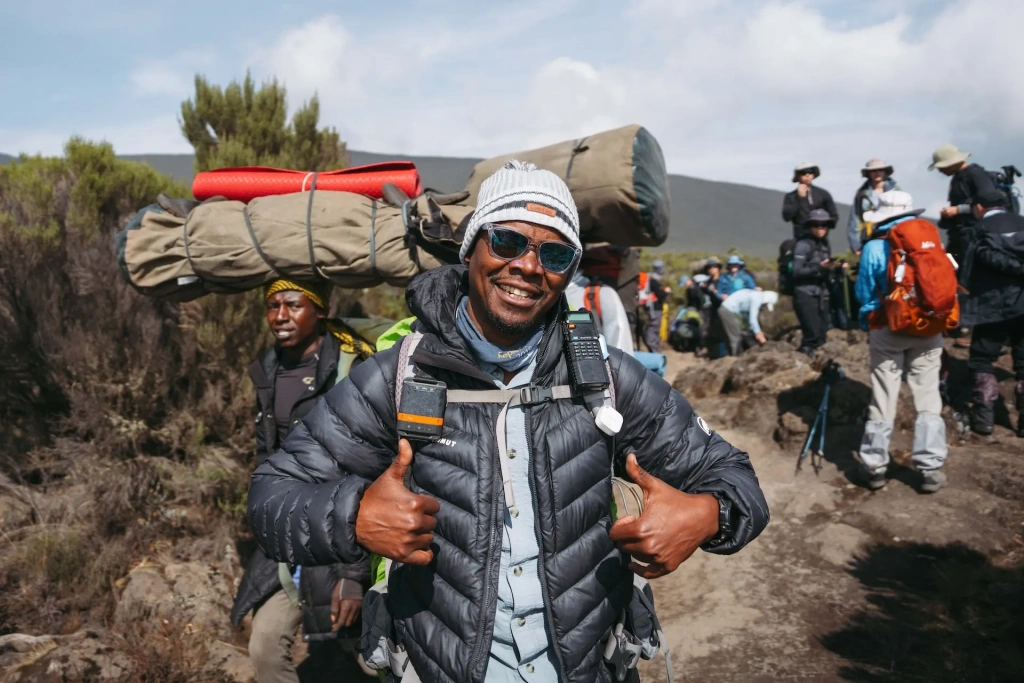
The GoClimbKili guides and support staff will monitor your health, pace the ascent, carry gear, and handle logistics and emergencies. Their training, experience, and how the operator staffs your trek directly affect safety and comfort.
Route Selection and Safety
Choose a route that matches your time, fitness, and tolerance for altitude. The right route improves your chance of summiting and lowers altitude risk.
Safest Kilimanjaro Routes
The Lemosho and Rongai routes have the highest success and safety records. Lemosho offers long acclimatization with a gradual ascent and scenic camps. Rongai approaches from the north and tends to be less crowded, with steady gradients and a higher chance of gentle pacing.
Machame is popular and scenic but steeper on some days, which can raise fatigue and altitude risk if you push too hard. Marangu is the only route with hut accommodation; shorter durations often mean less acclimatization and higher acute mountain sickness (AMS) risk. Choose Lemosho or Rongai if you want better acclimatization and a higher probability of summit success.
Route Difficulty Levels
Routes vary by daily distance, steepness, and camp spacing. Lemosho and Rongai spread climbing over 7–9 days, reducing daily gain and easing altitude adaptation. Machame is typically 6–7 days and includes steeper, more tiring sections. Marangu can be done in 5–6 days; it’s less technical but gives you less time to acclimate.
Assess your stamina and prior hiking experience. Longer routes let you walk slower and sleep higher gradually. Ask your operator for daily elevation profiles and average trek hours so you can match route demands to your fitness and reduce AMS risk.
Weather and Seasonal Considerations
Weather affects safety more than trail technicality. The dry seasons (late June–October and late December–March) provide more stable conditions, clearer trails, and colder summit nights. Rainy months (March–May, November) bring mud, slippery paths, and increased hypothermia risk.
Daytime temperatures vary by zone; expect warm lower slopes and freezing summit conditions. Check route-specific forecasts and pack extra layers, waterproof gear, and sun protection. If forecasts show high winds or heavy rain, your guide may alter plans or delay the summit to protect your safety.
Medical Considerations and Precautions
Get a medical check, know how your chronic conditions respond to altitude, and update key vaccines and prevention before travel.
0 Comment